When Should You Test Your Cat's Microbiome?
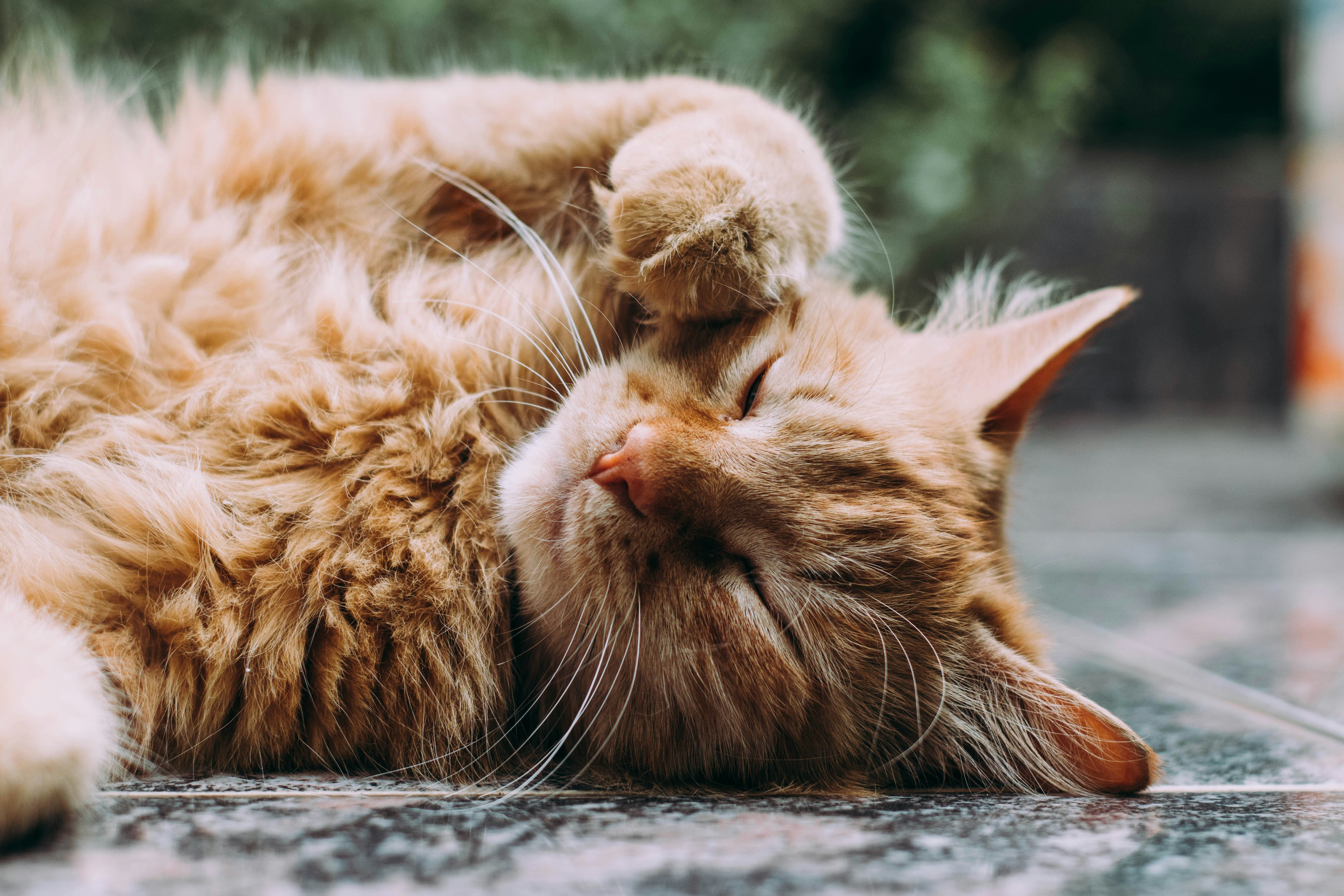
Cats are masters at hiding discomfort. Unlike many other animals, they often continue their normal routine even when something isn't quite right. As a result, subtle changes in digestion, appetite, or behaviour can sometimes go unnoticed until they become more significant. In recent years, advances in microbiome science have opened new opportunities to better understand feline health through a simple stool sample.
What Is a Cat Gut Microbiome Test?
A gut microbiome test analyses the microorganisms naturally living inside your cat's digestive system. Using a small stool sample, advanced DNA sequencing identifies the bacterial communities present in your cat's gut. The data is then analysed using BiomeInnovation AI™, generating a personalised report that provides insights into your cat's gut microbial diversity and overall microbiome composition. Rather than looking for disease, microbiome testing focuses on understanding your cat's unique digestive ecosystem — it is not a diagnostic test.
When Microbiome Testing May Be Helpful
Testing may be valuable if your cat has recurring digestive problems such as frequent vomiting, diarrhoea, constipation, or poor appetite — providing additional information that may support discussions about digestive health. Many pet owners also choose testing after antibiotic treatment to better understand changes in their cat's gut microbiome during recovery. Testing before making major dietary changes provides a useful baseline, and future testing can help monitor how the gut microbiome changes over time. Testing during different life stages — kittenhood, adulthood, or senior years — can also support personalised nutritional decisions.
What the PetBionic™ Test Provides
The PetBionic™ Gut Microbiome Test Kit combines Next-Generation DNA Sequencing with BiomeInnovation AI™ to analyse your cat's gut microbiome. Your personalised report may include information about gut microbial diversity, overall microbiome composition, relative abundance of bacterial groups, educational microbiome insights, and general nutrition and lifestyle considerations. The report is designed to help you better understand your cat's digestive ecosystem and support informed conversations with your veterinarian.
What Microbiome Testing Does Not Do
It is equally important to understand what microbiome testing cannot do. The PetBionic™ Gut Microbiome Test Kit does not diagnose diseases, detect infections, identify parasites, diagnose food allergies, prescribe medications, or replace veterinary examinations. Microbiome testing should always be considered a complementary tool that supports — not replaces — professional veterinary care.
Why Repeat Testing Can Be Valuable
Your cat's microbiome is constantly changing. Repeat testing may help observe changes after dietary transitions, antibiotic treatment, lifestyle changes, ageing, or for long-term health monitoring. Comparing microbiome profiles over time provides a more complete picture than a single snapshot. Increasingly, pet owners are embracing preventive healthcare, and microbiome testing can become part of a proactive wellness strategy alongside routine veterinary examinations, vaccinations, dental care, and parasite prevention.
Every cat has a unique gut microbiome that changes throughout life. Understanding this invisible ecosystem provides valuable insights that support informed decisions about nutrition, digestive health, and preventive care. Discover the PetBionic™ Gut Microbiome Test Kit from Biome Innovation and take the next step towards personalised feline healthcare.