Common Signs of Poor Gut Health in Cats
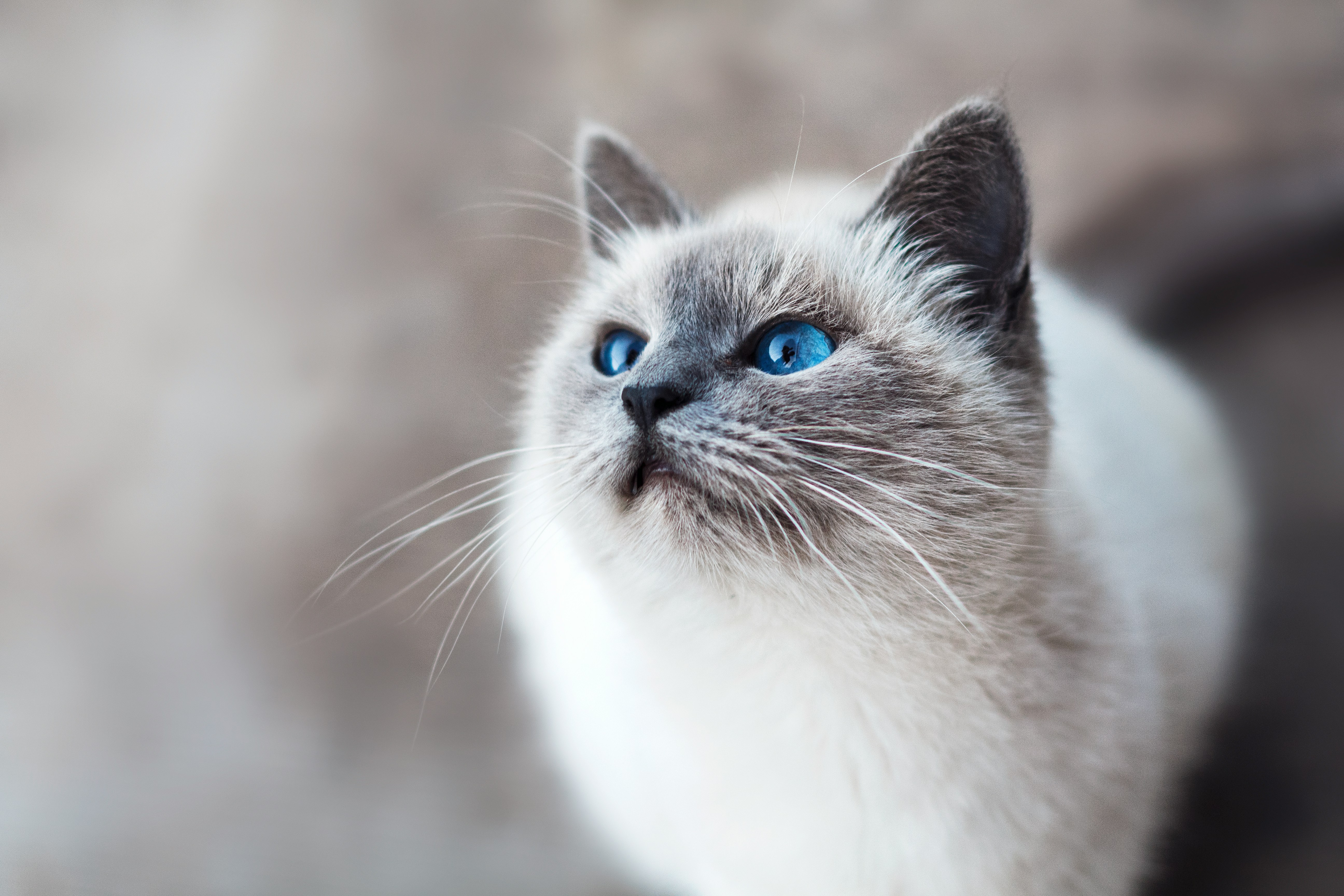
Cats are well known for hiding signs of illness. As both predators and prey in the wild, they have evolved to mask discomfort, making it difficult for owners to recognise health problems in their early stages. While occasional digestive upset can happen, persistent or recurring changes in your cat's digestion, appetite, or behaviour may indicate that something isn't quite right.
Why Gut Health Is Important
Your cat's digestive system does much more than process food. A healthy gut helps digest nutrients efficiently, absorb essential vitamins and minerals, maintain the intestinal barrier, support normal immune function, and produce beneficial microbial compounds. The gut microbiome — the trillions of microorganisms living naturally in your cat's gastrointestinal tract — plays a central role in all of these functions. When the digestive system is functioning well, your cat is more likely to maintain good energy levels, a healthy body weight, and normal bowel function.
Digestive Signs of Poor Gut Health
Frequent or recurring vomiting should not be ignored, even when hairballs seem to be the cause. Persistent diarrhoea or loose stools, constipation with straining in the litter tray, changes in appetite or refusal to eat, and unexplained weight loss are all signs that deserve veterinary attention. Changes in stool appearance — including very hard or soft stools, blood, mucus, black or tarry stools, or extremely foul odour — are also worth discussing with your veterinarian. Persistent flatulence may suggest changes in digestion or the gut microbiome.
Signs Beyond the Digestive System
Poor gut health can show up in unexpected ways. Cats experiencing ongoing digestive discomfort may become less active, more withdrawn, less interested in play, or sleep for extended periods. A healthy digestive system also supports healthy skin and coat — digestive problems may contribute to a dull coat, dry skin, or excessive shedding. Frequent hairballs may indicate digestive changes or reduced gastrointestinal motility. Because many conditions can cause these signs, veterinary evaluation is always important.
What Causes Poor Gut Health?
Many factors can influence the gut microbiome and digestive health, including sudden dietary changes, poor-quality nutrition, food intolerance, stress, antibiotic treatment, parasites, ageing, and underlying medical conditions. Researchers continue to study how changes in the gut microbiome may contribute to digestive health and overall wellbeing, recognising that every cat's microbiome is unique.
Understanding Your Cat's Gut Microbiome
The PetBionic™ Gut Microbiome Test Kit from Biome Innovation uses advanced Next-Generation DNA Sequencing and BiomeInnovation AI™ to analyse your cat's gut microbiome from a simple stool sample. Your personalised report provides educational insights into microbial diversity, gut microbiome composition, and general nutrition and lifestyle considerations. The test does not diagnose disease — it provides valuable microbiome information that complements veterinary assessment and supports informed discussions about digestive health.
Many signs of poor gut health are subtle, especially in the early stages. By recognising digestive changes early and working closely with your veterinarian, you can take proactive steps to support your cat's health throughout every stage of life. Discover how the PetBionic™ Gut Microbiome Test Kit from Biome Innovation can help you better understand your cat's unique digestive ecosystem.