Can Gut Health Affect Your Cat's Immune System?
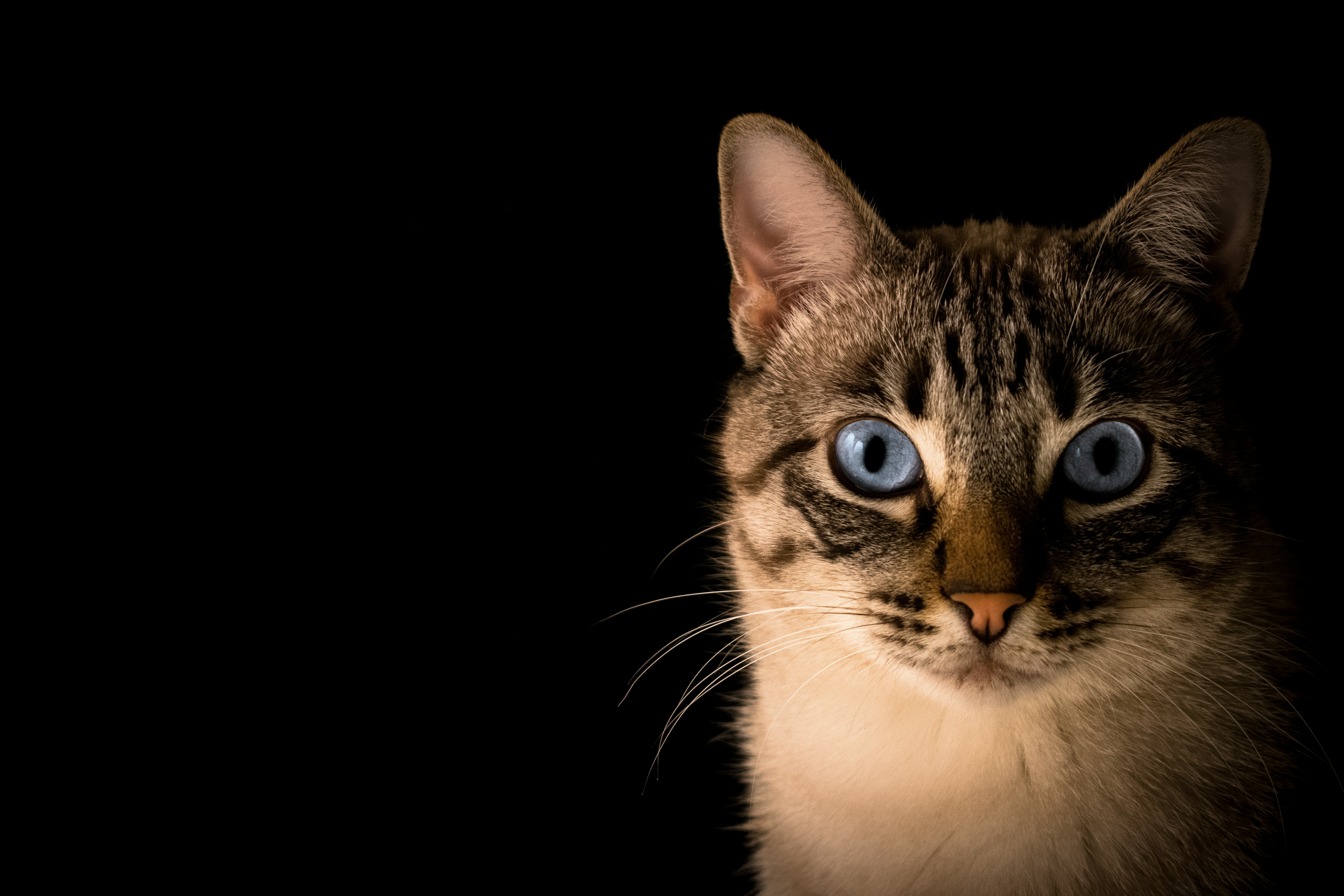
When people think about the immune system, they often picture white blood cells fighting infections. While these immune cells play an essential role, many cat owners are surprised to learn that a large proportion of the immune system is closely connected to the digestive tract. Inside your cat's intestines lives a vast community of trillions of microorganisms known as the gut microbiome — and these microbes interact continuously with the immune system to help maintain a healthy intestinal environment.
Why the Gut and Immune System Are Closely Connected
The digestive tract contains a large proportion of the body's immune cells — scientists estimate that approximately 70% of immune cells are associated with the gastrointestinal tract, making the gut one of the body's most important immune organs. Because trillions of microorganisms live within the intestine, the immune system and gut microbiome are constantly communicating. This interaction helps maintain a healthy balance between beneficial microbes and the body's natural immune responses.
How the Gut Microbiome Supports the Immune System
The gut microbiome helps the immune system learn to recognise the difference between beneficial microorganisms and potentially harmful invaders — a process that is particularly important during early life as the immune system matures. Beneficial microorganisms help maintain the intestinal barrier by supporting healthy intestinal cells and contributing to normal gut function. Certain gut bacteria also produce compounds called short-chain fatty acids during digestion, which help support intestinal cell health, gut barrier function, and a balanced digestive environment.
Factors That Can Influence Your Cat's Gut Microbiome
Nutrition is one of the strongest influences on the gut microbiome — a complete and balanced diet helps support digestive health and provides nutrients needed for overall wellbeing. Antibiotics, while important for treating bacterial infections, may temporarily affect beneficial gut bacteria. Cats are highly sensitive to environmental stress such as moving house, introducing a new pet, boarding, or changes in routine, which may influence the gut microbiome through the gut-brain axis. The gut microbiome also changes naturally throughout life, from kittens through to senior cats.
Supporting Your Cat's Gut and Immune Health
Supporting both gut health and immune function begins with good everyday care: feed a complete and balanced diet, provide fresh drinking water daily, introduce dietary changes gradually, keep vaccinations up to date, follow regular parasite prevention, minimise unnecessary stress, and schedule routine veterinary health checks. These habits help support your cat's long-term health and wellbeing through every stage of life.
Understanding Your Cat's Gut Microbiome
The PetBionic™ Gut Microbiome Test Kit from Biome Innovation uses Next-Generation DNA Sequencing and BiomeInnovation AI™ to analyse your cat's gut microbial community from a simple stool sample. Your personalised report provides educational insights into gut microbial diversity, overall microbiome composition, and general nutrition and lifestyle considerations. It is important to remember that the test does not diagnose immune disorders, infections, or diseases — it is a complementary tool that supports informed discussions with your veterinarian.
The gut microbiome and immune system work together every day to help maintain your cat's overall health. While microbiome science continues to evolve, understanding your cat's gut ecosystem is becoming an increasingly important part of preventive pet care. Discover the PetBionic™ Gut Microbiome Test Kit from Biome Innovation and take the next step towards understanding your cat's digestive and immune health.